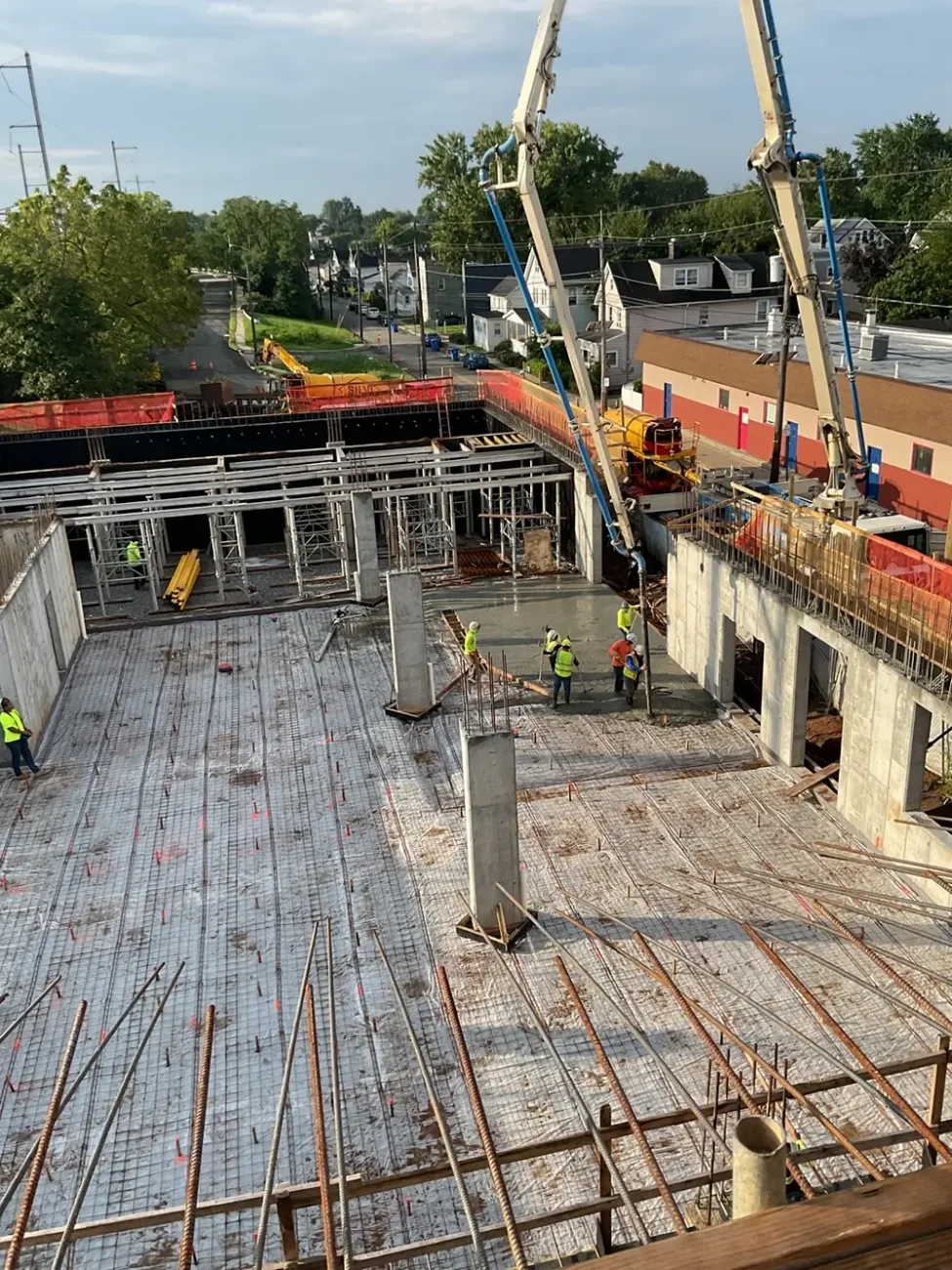
Commercial construction cost in New Jersey depends on type, size, finishes, and site. Here's what drives the number — and how a transparent budget is built.

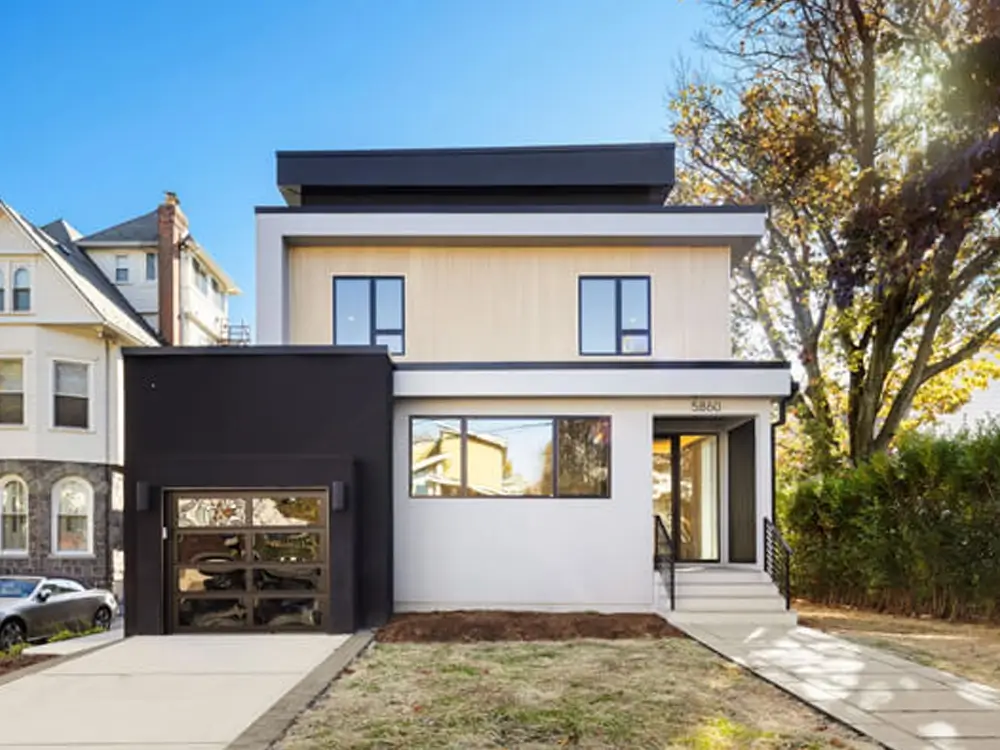
The difference between a construction manager and a general contractor comes down to role and timing. Here's how to know which your NJ project needs.
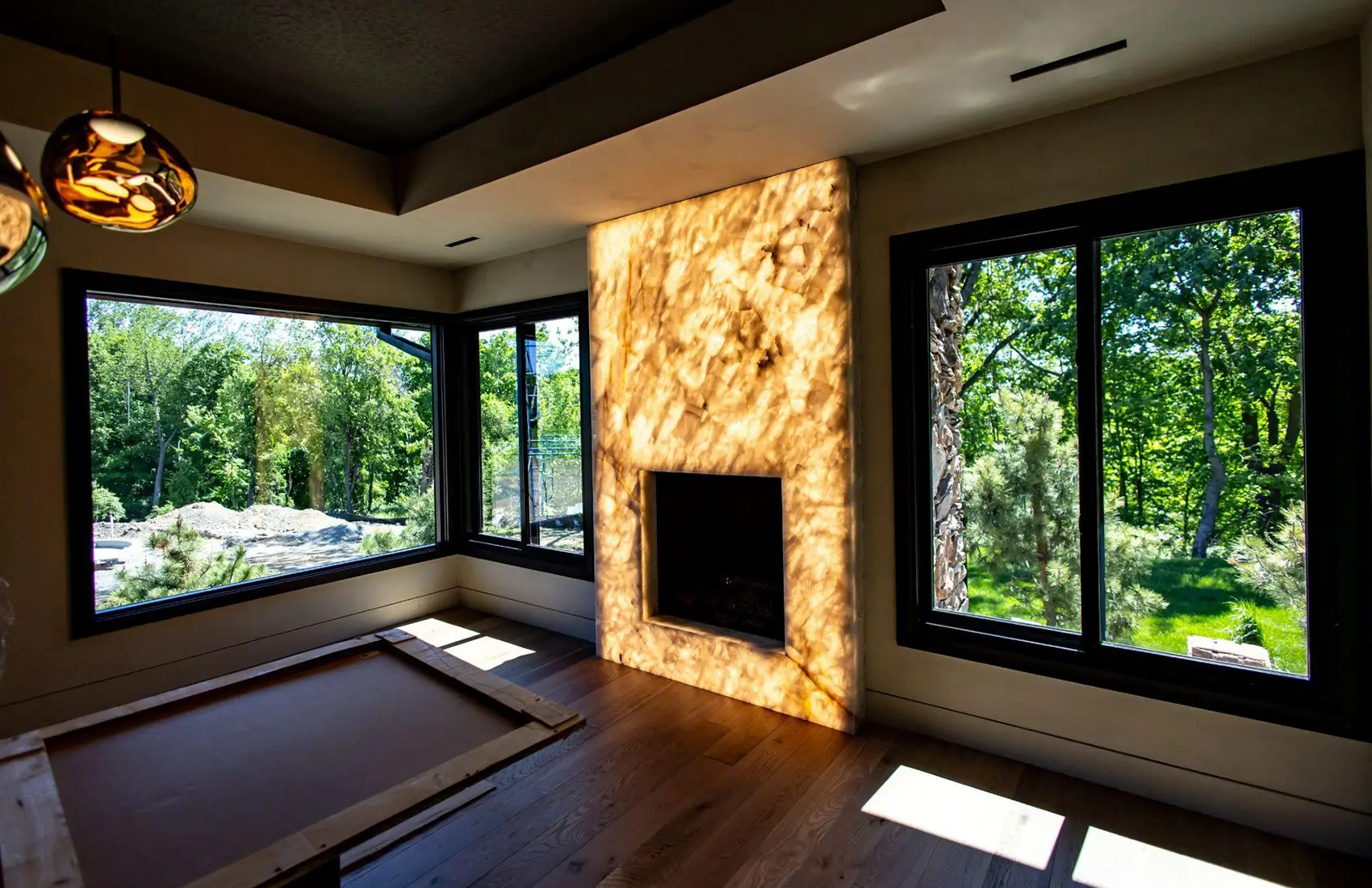
A construction schedule begins taking shape long before the first day on site. By then, months of decisions have already influenced how quickly the project can move.
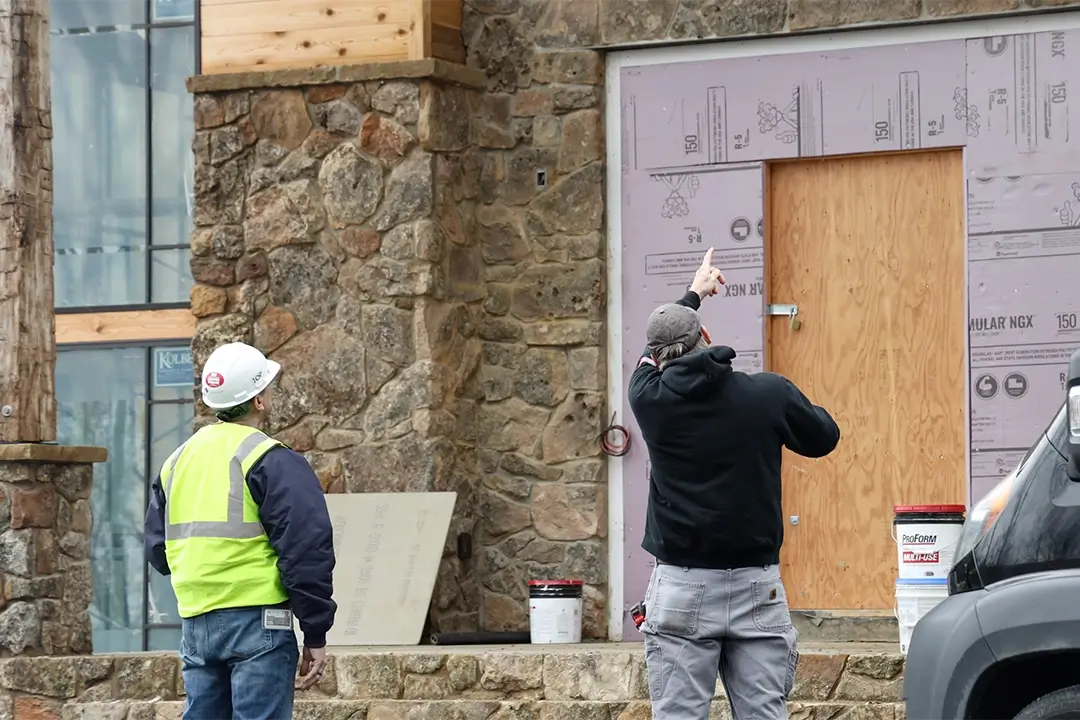
A construction management company oversees a project from planning to completion — scope, budget, schedule, subcontractors, and quality. Here's what that means.
There is a point in every development where decisions begin getting expensive to change. Before that point, there is
flexibility.
A construction management firm is hired to lead a project from planning through completion. While that sounds straightforward, the role is often misunderstood. Some owners assume the construction manager is responsible for anything related to the project.
The design fee is one of the smallest numbers in a construction project, yet it influences almost every dollar spent afterward. The drawings and specifications produced by architects and engineers are the instructions the rest of the project is built from, which means they quietly govern how efficiently the construction budget gets spent.
It sounds counterintuitive. Most developers and owners follow the same sequence: secure the site, hire the design team, get through approvals, then bring in a contractor.
It is the way it has always been done. It is also one of the most reliable ways to spend more money than you needed to, take longer than you planned, and end up with a team that was never really built to work together.
Once a site plan application is submitted to a municipality, many assume the process becomes administrative and should move quickly. In reality, submission is only the beginning.
Feasibility is often misunderstood as a simple budgeting exercise, a quick way to determine whether a project feels affordable. In reality, it is far more comprehensive.
The first real step in figuring out what you can build is not hiring an architect or pulling zoning tables. It is understanding whether the land is physically, legally, and financially feasible for development.
When evaluating land or an existing building, buyers often focus on what they can see and easily understand. Location, appearance, and prior use tend to shape first impressions. What is often missed are the underlying factors that determine what the property can realistically become.
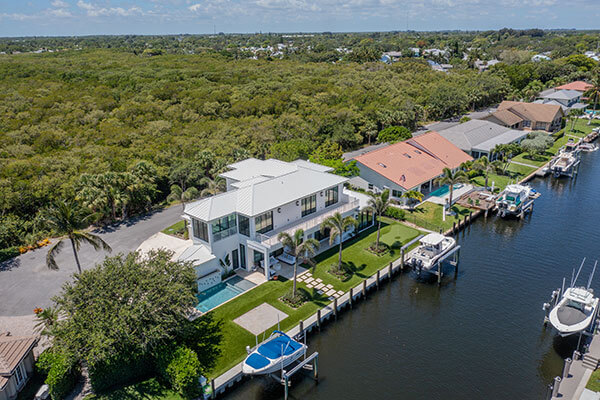
Cornerstone Builders Group is officially expanding our Pre-Development, Pre-Construction, and Construction Management services into Florida. This isn’t a spin off or a separate company. It is an extension of the same team, same leadership, and same standards we built in New Jersey and New York.
When a project kicks off, the first drawings you see are exciting. They give life to your vision, but they are not the same drawings we ultimately build from. Understanding the differences between early concept drawings, Pre-Construction Bid Sets, and final Permit Set drawings helps prevent confusion, delays, and unnecessary costs.
When a project kicks off, the first drawings you see are exciting. They give life to your vision, but they are not the same drawings we ultimately build from. Understanding the differences between early concept drawings, Pre-Construction Bid Sets, and final Permit Set drawings helps prevent confusion, delays, and unnecessary costs.
Change orders are often seen as disruptive, and in many cases they are. Poorly managed, they raise costs, delay schedules, and create conflict. At Cornerstone, we take a different approach. We see change as a normal part of construction, whether driven by evolving ideas, field conditions, or shifting municipal requirements.