What Buyers Commonly Overlook
When evaluating land or an existing building, buyers often focus on what they can see and easily understand. Location, appearance, and prior use tend to shape first impressions. What is often missed are the underlying factors that determine what the property can realistically become. These include how the land is allowed to be used, whether the site can physically support the intended project, and how future improvements will be reviewed and approved.
This early stage is where many assumptions are formed, yet it is also where the greatest clarity can be gained. By evaluating land use, zoning, site conditions, and financial feasibility together, buyers gain a clearer understanding of not just what a property is today, but what it can support over time.
Hidden Constraints That Affect Cost, Approvals, and Usability
Many projects encounter challenges not because the property is inherently problematic, but because certain constraints were not identified early. These can include access limitations, utility availability, or infrastructure that no longer meets current standards. In existing buildings, even modest changes may trigger requirements to upgrade systems to meet today’s safety and accessibility expectations.
These conditions are common and manageable when identified upfront. Early analysis allows teams to understand tradeoffs, account for real constraints, and incorporate them into budgets and schedules rather than reacting later, when flexibility is limited and costs are higher.

Why Purchase Price Is a Big Piece — But Not the Only Piece
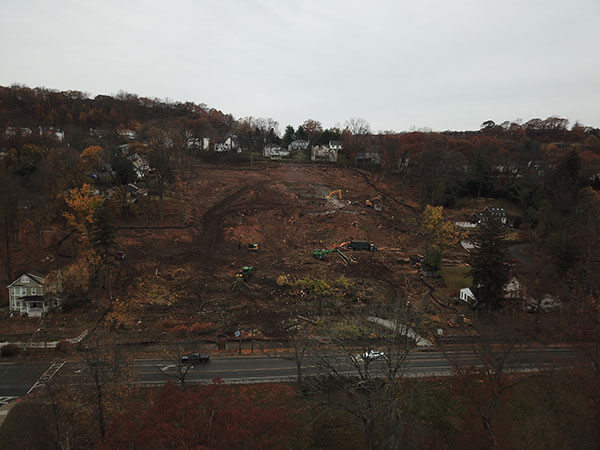
Purchase price is an important starting point, but it rarely reflects the full investment required to deliver a successful project. A property that appears attractive at acquisition can change materially once approval timelines, holding costs, and construction complexity are fully understood. Time spent navigating approvals or adjusting plans to address site conditions adds cost and delays revenue.
Looking at the deal through this broader lens allows buyers to understand how timing, risk, and execution affect returns. When evaluated together, the purchase price becomes one component of a larger, more accurate picture rather than the sole basis for decision-making.
Understanding Land Use, Zoning, and Site Plan Approvals Before Closing
Most projects require formal approvals before development can begin. These reviews determine how a property may be used, how buildings can be arranged on the site, and whether a project can proceed as intended. While the terminology can sound intimidating, the process itself is structured and manageable when it is approached with a clear plan and experienced coordination.
We take an active role in guiding projects through these approvals. This includes identifying which applications are required, preparing and submitting materials, coordinating with consultants and reviewing agencies, and responding as comments or requirements evolve. As reviews progress, we provide consistent updates so clients understand where things stand, what decisions are approaching, and how changes may affect schedule or cost. This approach allows clients to stay informed without being pulled into day-to-day coordination, knowing their project is being actively managed even as conditions change.
How Early Planning Shapes Pre-Construction Outcomes
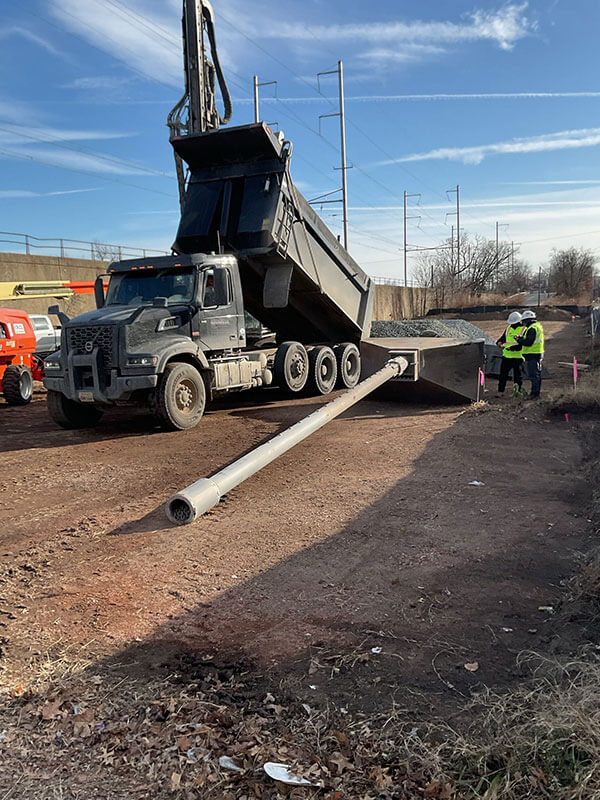
Early planning is where a project’s direction becomes fixed, often long before construction begins. Decisions made during this phase influence how smoothly permits are issued, how accurately the project is priced, and how competitive the bidding process will be.
By testing assumptions early and coordinating design with real site conditions and approval requirements, projects enter Pre-Construction with fewer unknowns. This reduces redesign, limits permitting delays, and results in construction documents that contractors can price with confidence. The outcome is a more reliable budget and a clearer path into construction, rather than last-minute corrections.
How Early Due Diligence Protects Capital and Avoids Regret
Early due diligence sets the foundation for everything that follows. It allows buyers to evaluate feasibility, cost, and risk while there is still flexibility to adjust strategy. Rather than relying on assumptions, decisions are based on verified information and realistic expectations.
In some cases, this confirms that a project is well positioned and ready to move forward. In others, it reveals constraints that warrant a different approach or a pause before committing further capital. In both scenarios, early diligence helps ensure that resources are deployed intentionally and that outcomes align with long-term goals.