The Role Goes Beyond the Jobsite
A construction management firm is hired to lead a project from planning through completion. While that sounds straightforward, the role is often misunderstood. Some owners assume the construction manager is responsible for anything related to the project. Others believe the role is limited to overseeing construction once work begins. In reality, construction management is much broader than either of those assumptions. A construction management firm provides leadership, coordination, and oversight throughout the entire project while protecting the owner’s interests from the earliest planning stages through final completion.
Construction management begins long before construction starts. During preconstruction, the team works with the owner to establish budgets, review the design, evaluate scheduling, identify potential risks, and develop a realistic plan for execution. Many of the decisions made during this phase determine how smoothly the project will progress months later. Identifying a problem before construction begins is almost always less expensive than correcting it after work is underway.
Once construction starts, the role shifts from planning to managing execution. The construction management team monitors progress, coordinates communication, tracks costs, reviews schedule performance, and works through the issues that naturally arise on every project. Construction rarely follows a perfect path. Materials are
delayed, existing conditions differ from expectations, design revisions become necessary, and unforeseen challenges appear. A construction manager works through those situations while keeping the project moving toward its goals.
Most of this work happens behind the scenes. Owners often see the finished result without realizing how many decisions were made to keep the project on schedule and within budget. A successful project is not one without problems. It is one where problems are identified early, communicated clearly, and resolved before they become
larger issues.
Representing the Owner's Interests
One of the most important responsibilities of a construction management firm is serving as the owner’s representative throughout the project. Every recommendation should support the owner’s objectives, whether that means controlling costs, maintaining the schedule, protecting quality, or reducing unnecessary risk.
That responsibility often involves balancing competing priorities. A faster schedule may increase costs. A design revision may improve functionality while affecting procurement or permitting. Every project requires decisions that involve tradeoffs, and the construction manager helps the owner understand those decisions before moving forward.
The goal is not to make decisions for the owner. The goal is to provide the experience and information necessary for the owner to make informed decisions with confidence.
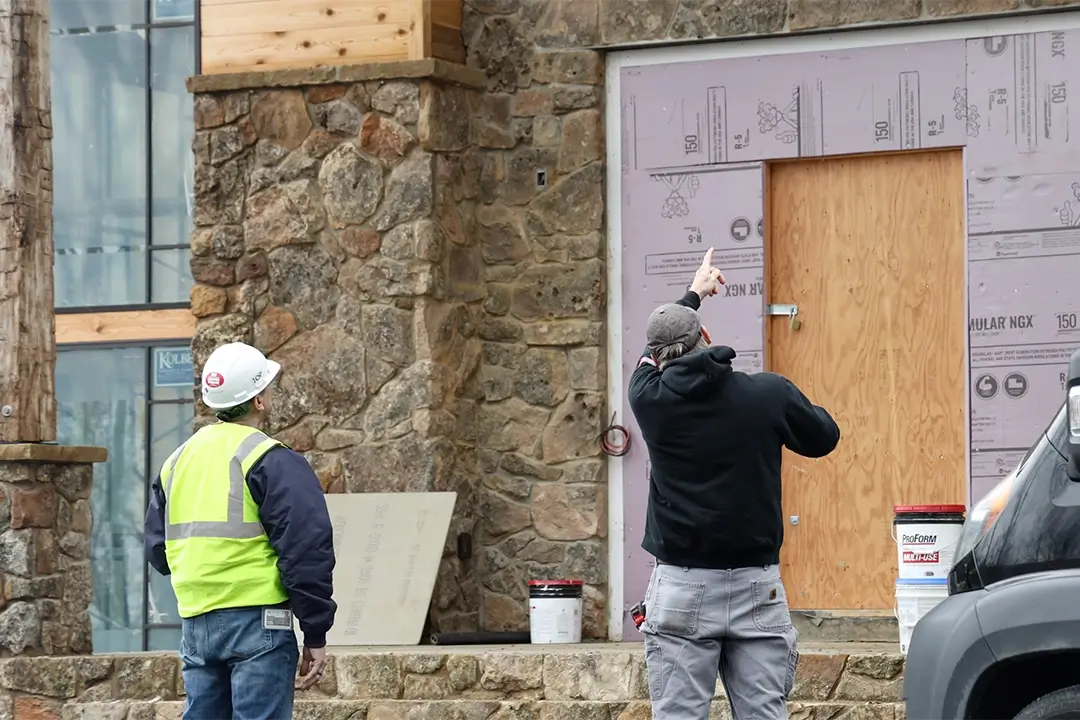

A Construction Manager Is There to Help
Construction management is built on service. A good construction manager looks for opportunities to make the owner’s job easier. That may include answering questions, coordinating meetings, solving unexpected issues, or stepping in wherever additional guidance is needed. The relationship should feel collaborative, and owners should
know they have an experienced team they can rely on throughout the project.
That willingness to help is one of the reasons many owners choose to work with the same construction management firm again. Trust is built by being responsive, solving problems, and consistently acting in the owner’s best interest.
What a Construction Management Firm Is Not
Being available to help does not mean being responsible for everything.
One of the most common misconceptions is that once a construction manager is hired, every task connected to the project automatically becomes their responsibility. That is simply not how successful projects operate. Construction management has a defined purpose, and that purpose is managing the construction process. Owners, design professionals, contractors, consultants, and other project participants all have responsibilities that contribute to the project’s success. When those responsibilities begin shifting to the construction manager simply because they are involved, the focus of the project starts to suffer.
Time spent handling unrelated administrative work, operational issues, or responsibilities outside the agreed scope is time that cannot be spent managing cost, schedule, quality, coordination, and risk. Those are the areas where a construction manager provides the greatest value, and they deserve the firm’s full attention.
A construction manager should absolutely be willing to assist when appropriate. Flexibility is part of good client service. At the same time, there is a difference between helping a client and becoming responsible for every issue that exists around the project. Understanding that distinction allows the construction manager to remain focused on delivering the outcome the owner hired them to achieve.
The Value of Construction Management
Construction projects are complex because every decision affects something else. Good construction management brings structure to that complexity. It creates accountability, improves communication, reduces uncertainty, and gives owners confidence that someone is continually looking ahead rather than simply reacting to
problems as they appear.
The best construction management firms are not measured by how many tasks they take on. They are measured by how effectively they lead the project, protect the owner’s interests, and deliver successful results. Their value comes from experience, organization, sound judgment, and the ability to keep every part of the project moving in the same direction.
A construction management firm exists to guide the process, solve construction problems, and advocate for the owner from beginning to end. It is a trusted partner throughout the project, but it is not a replacement for every participant involved. When everyone understands their role and focuses on their own responsibilities, projects are completed more efficiently, communication improves, and owners receive the full benefit of professional construction management.