The First Real Step Is Feasibility, Not Design
The first real step in figuring out what you can build is not hiring an architect or pulling zoning tables. It is understanding whether the land is physically, legally, and financially feasible for development. Feasibility brings zoning rules, site conditions, and early cost considerations together into one clear picture. Until those elements are evaluated as a whole, any idea of what can be built is largely guesswork. Taking this step early helps turn curiosity into informed decision-making and avoids costly mistakes later.
Why Zoning Is Only One Piece of the Puzzle
Zoning is important, but it does not provide a complete answer on its own. Zoning ordinances explain what is generally allowed in a district, not what will actually work on a specific property. Two parcels with the same zoning can support very different projects depending on their size, shape, access, and surrounding conditions. Zoning sets the rules, but it does not reflect the real-world limitations of the land itself.
How the Site Itself Defines the Outcome
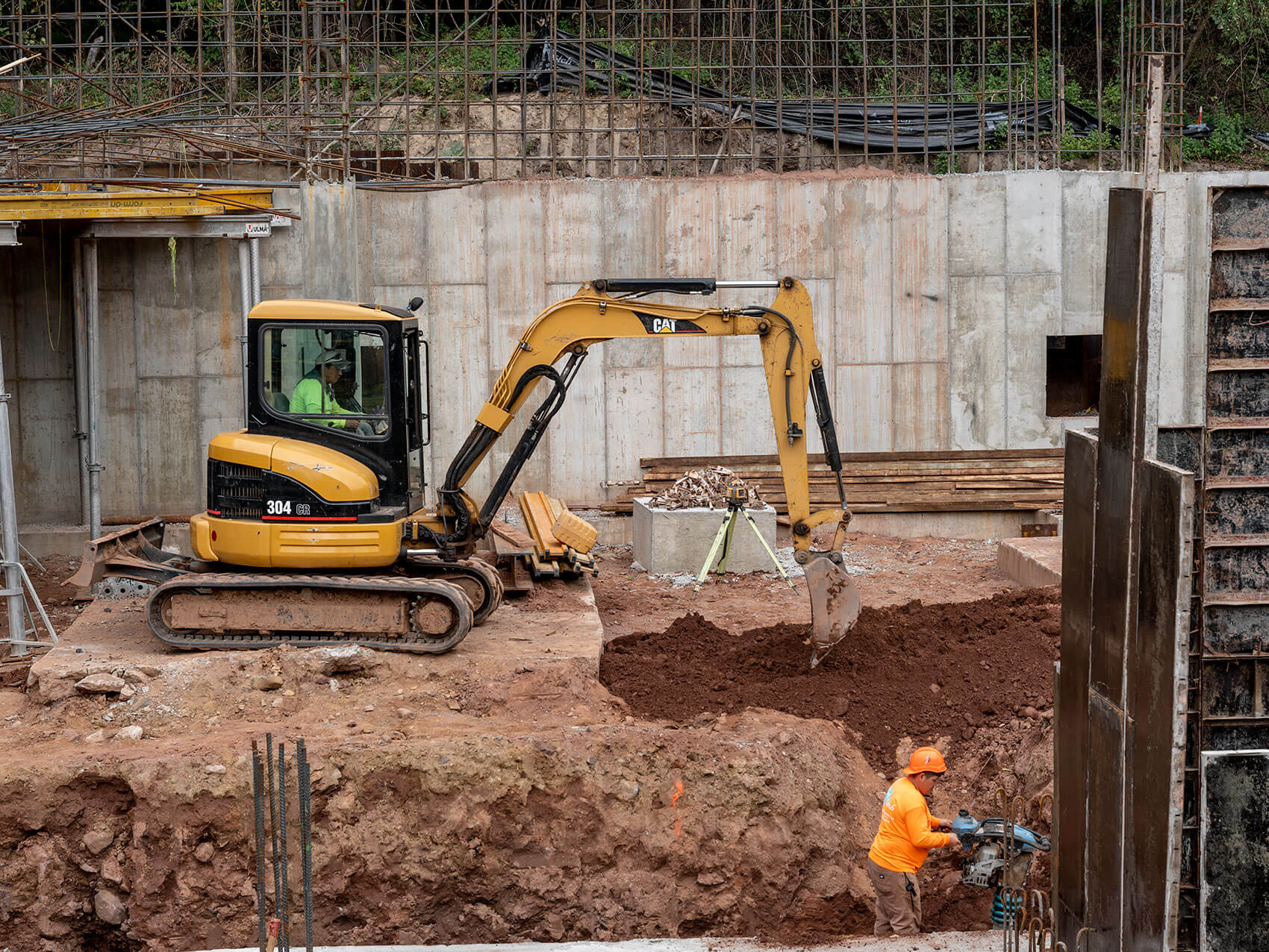
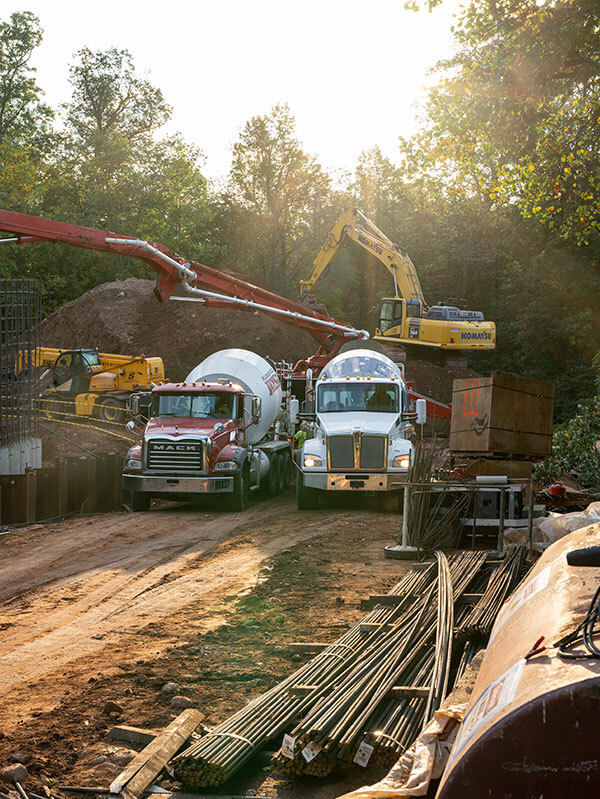
Every property comes with its own set of conditions that directly affect what can be built. These include things like setbacks, easements, environmental features, access, and how the land slopes or drains. Existing buildings also matter. A structure in poor condition, such as one with serious structural issues, can affect safety, sequencing, and cost before any new construction even begins. Even when zoning allows a certain building size, site conditions often reduce what is realistically achievable. Understanding these factors early helps avoid designing something the site cannot support.
Why Early Test Fits Change the Conversation
A test fit helps turn rules and assumptions into something tangible. Rather than guessing at what might work, a test fit shows how a building could realistically sit on the property while accounting for zoning and site conditions. It helps answer practical questions about size, layout, access, and circulation that are difficult to resolve on paper alone. This early exercise often brings clarity quickly by showing what works, what does not, and where flexibility may exist.
What a Yield Study Really Provides
For projects involving multiple units or larger buildings, a yield study builds on the test fit by answering a key question: how much development the site can truly support. Instead of focusing on theoretical maximums, it reflects the real-world limits created by layout, access, and site constraints. The result is a realistic expectation of what the land can accommodate, which is often more useful than knowing what zoning technically allows.
Connecting Feasibility to Early Cost Awareness
Feasibility is incomplete without an understanding of cost. Early budgeting at this stage is not about exact numbers, but about gaining perspective. The condition of the site and the work required to prepare it can significantly affect the overall cost. When rough costs are considered alongside physical feasibility, landowners gain a clearer understanding of whether a project makes sense before investing heavily in design work that may never be used if costs do not align with expectations.
Avoiding the Most Common Early Missteps
Many problems arise when feasibility is skipped or rushed. Landowners often move straight into design without fully understanding how site conditions, utilities, or access requirements influence cost. When pricing is addressed later, it can reveal that a project is far more expensive than anticipated, leaving owners with design expenses for a project that may no longer be viable. These decisions are usually made with good intentions, but they often lead to redesigns, delays, or projects that stall once financial realities become clear.
Using a Proforma for Income-Producing Projects
If the goal of the project is to operate a business, such as a restaurant or other commercial use that will generate income once completed, a proforma can be a valuable next step. When early feasibility shows that costs are higher than expected, a proforma helps determine whether those costs can realistically be absorbed by the future operation of the business. It allows owners to look at projected expenses and potential income together and decide whether the project still makes sense, should be adjusted, or should stop before additional money is spent.
From Curiosity to Confident Next Steps
When feasibility work is done thoughtfully, the question shifts from “What could I build?” to “Does this project truly work on this site?” That clarity allows landowners to move forward with confidence, adjust expectations early, or step back before committing significant time and money. By understanding feasibility at the beginning, owners avoid unnecessary design and approval costs and make informed decisions based on real conditions and realistic costs. Once this groundwork is in place, it becomes reasonable to move forward with zoning applications or approvals, knowing the project being pursued is one the site can realistically support.