What Happens After an Application Is Submitted
Once a site plan application is submitted to a municipality, many assume the process becomes administrative and should move quickly. In reality, submission is only the beginning.
The application enters a structured review process where multiple parties evaluate the project for compliance with zoning, building codes, safety requirements, and local ordinances. This typically includes municipal professionals such as the board engineer, planner, fire official, and construction officials, as well as outside agencies when applicable.
In addition to staff review, projects are ultimately reviewed in a public forum by either the Planning Board or Zoning Board. These boards are not abstract entities. They are made up of individuals with defined roles, which often include board members appointed by the municipality, a board attorney, and in some cases municipal representatives such as a mayoral designee or other governing body appointees. Supporting professionals, including the municipal engineer, planner, and attorney, also participate in the review and provide formal recommendations.
Each of these parties reviews the same set of drawings from a different perspective. That layered review process is what ensures the project is compliant, but it is also what takes time.
Why Comments and Revisions Are a Normal Part of the Process
A common misconception is that receiving comments from a municipality means something is wrong with the project. In practice, comments are a standard and expected part of the approval process. Review letters are issued by the board’s professionals identifying areas that require clarification, revision, or additional documentation. The design team then responds by updating drawings, providing supplemental information, or addressing technical concerns.
This process is iterative. It is common for multiple rounds of comments and responses to occur before an application is deemed complete and ready for formal action. Rather than indicating a problem, this back-and-forth is how projects are refined to meet regulatory requirements before construction begins.

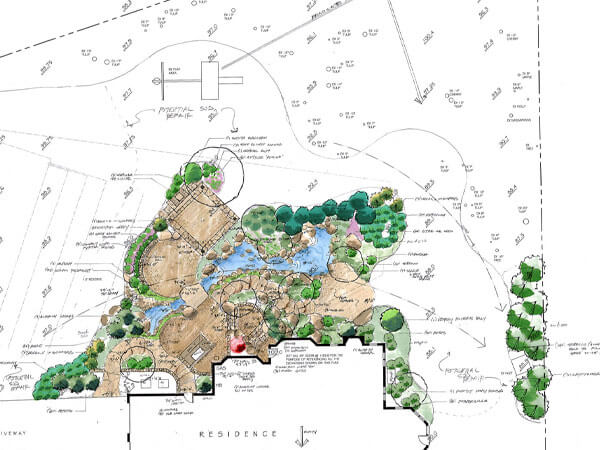
The Role of Architects, Engineers, and Municipal Reviewers
Site plan approval is not controlled by a single party. It is a coordinated process involving both the applicant’s team and the municipality’s review professionals.
Architects and engineers are responsible for preparing coordinated documents that reflect the design intent and comply with applicable codes. Municipal reviewers are responsible for verifying that those documents meet local standards and protect public health, safety, and welfare. Even minor inconsistencies between disciplines, such as grading, drainage, or utility connections, can result in additional comments. Early coordination during pre-development helps reduce these issues, but it does not eliminate the need for detailed review.
Understanding Resolutions and Resolution Compliance
At the conclusion of the approval process, if a project is approved, the board adopts a formal resolution. A resolution is the official document that memorializes the board’s approval. It outlines the project, references the plans reviewed, and, most importantly, includes specific conditions that must be satisfied before construction can proceed.
These conditions may include revised drawings, outside agency approvals, engineering requirements, or other obligations tied to the approval. Resolution compliance is the process of satisfying those conditions. Before permits can be issued, the applicant must demonstrate that all conditions outlined in the resolution have been addressed. This often requires additional coordination with the design team, resubmissions to the board engineer, and confirmation from outside agencies. Many projects experience delays at this stage, not because they were denied, but because resolution compliance was underestimated.
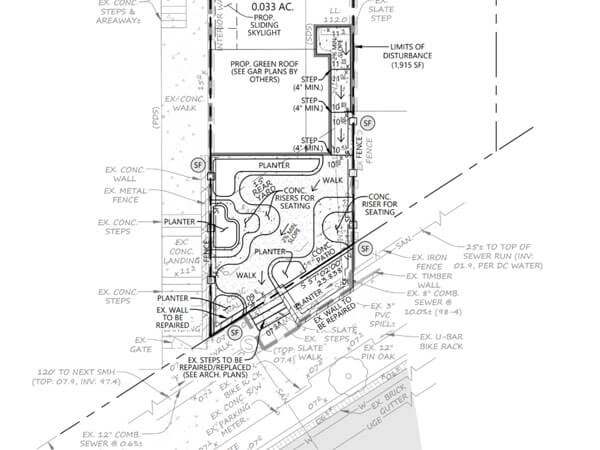
How Unrealistic Timelines Get Set Early
One of the primary reasons approvals feel delayed is that timelines are often established before the full process is understood. Initial projections frequently assume a single review cycle. In reality, multiple rounds of comments and revisions are typical. In addition, external factors such as meeting schedules, submission deadlines, and reviewer availability directly impact timing. For example, if a board meets once per month, missing a submission deadline can result in a delay of several weeks. When these factors are not accounted for during pre-development, project schedules quickly become unrealistic.
The Hidden Complexity Behind “Simple” Projects
Projects that appear straightforward can still trigger complex review requirements. Items such as stormwater management, accessibility compliance, traffic considerations, utility coordination, and environmental constraints are commonly reviewed depending on the jurisdiction. In some cases, county or state agencies must also review and approve portions of the work. These layers of oversight are not always visible at the outset, which is why early feasibility and due diligence are critical in understanding what a project will actually require.
What Owners Can Do to Reduce Unnecessary Delays
While the review process cannot be avoided, it can be managed more effectively. A thorough feasibility analysis helps identify constraints before submission. Engaging experienced professionals early leads to more coordinated and compliant documents. Clear communication between the owner, design team, and construction manager reduces avoidable revisions. Equally important is setting realistic expectations. Accounting for multiple review cycles and potential resolution conditions allows for more accurate planning and fewer surprises. These efforts, typically addressed during pre-development and pre-construction, create a more predictable path through the approval process.
Why the Process Ultimately Protects the Project
Although the approval process can appear time-consuming, it serves a critical function. Each layer of review ensures that the project is safe, compliant, and constructible before work begins. Resolving issues during the approval phase is significantly less costly than addressing them during construction. When approached correctly, the time invested in site plan approval reduces risk, improves coordination, and results in a more efficient construction phase. Understanding how the process actually works allows owners to make better decisions, set more accurate expectations, and move forward with greater confidence.