The Schedule Starts Before the Jobsite
A construction schedule begins taking shape long before the first day on site. By then, months of decisions have already influenced how quickly the project can move. The design has reached a certain point, approvals have progressed, bidding and procurement have identified certain constraints, and important questions have either been answered or carried forward.
When those early stages are managed well, construction can begin from a much stronger position. When they take longer than expected, some of the available time may already be gone. The good news is that an early delay does not automatically determine when the project will finish. What matters is understanding where time was lost, whether it affects the project’s critical path, and where that time can realistically be recovered.
Pre-Construction Creates a Head Start
Some of the best opportunities to protect the schedule happen before construction begins. Pre-construction allows the project schedule to be tested while there is still flexibility. Drawings can be reviewed with the planned construction sequence
in mind, bidding can expose scopes that need additional definition, permitting can be tracked against the intended start date, and long-lead materials can be identified before they become urgent.
This preparation does more than help prevent delays. It gives the construction team a clearer path once work begins. The objective is not necessarily to have every detail resolved before mobilization. Instead, the team needs to understand what
must be resolved before construction, what can continue developing while work progresses, and when each decision will actually be needed in the field. That distinction can create a meaningful head start.
Not Every Delay Has to Reach the Finish Line
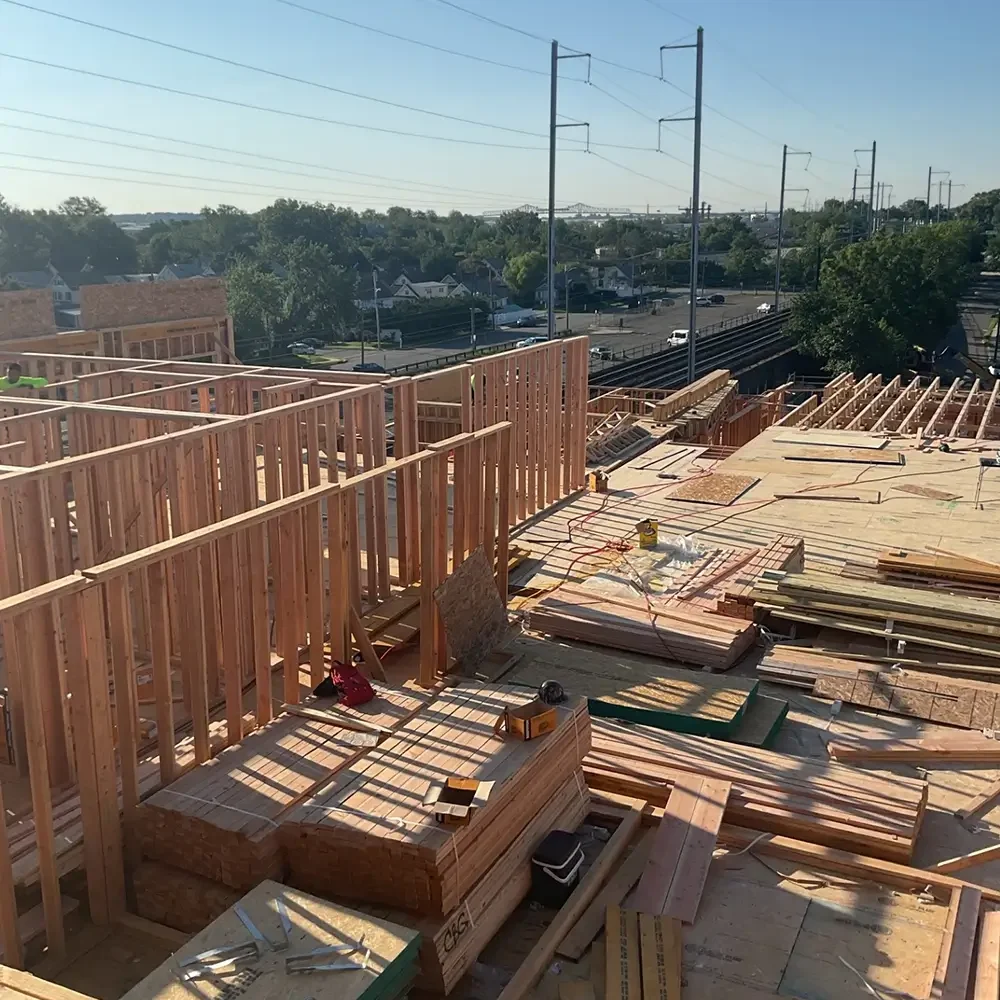
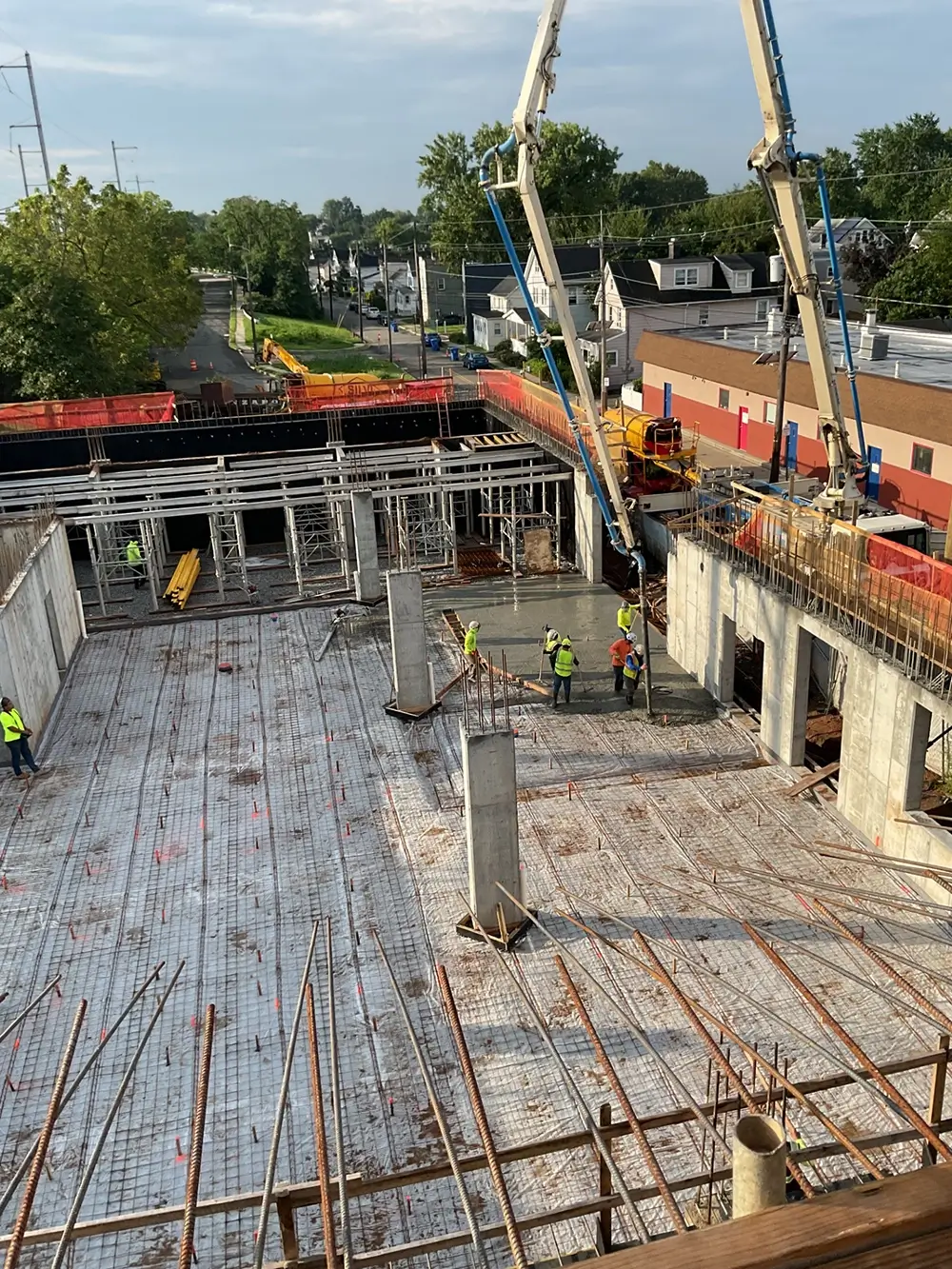
A week lost early in a project does not necessarily mean completion moves back by a week. Construction schedules are built around dependencies. Certain activities must happen before others can begin, while some work can occur simultaneously or move independently.
The activities that ultimately control the project’s completion date form what is commonly referred to as the critical path. A delay affecting that path can directly influence completion, while a delay elsewhere may have enough flexibility, or float, to be absorbed without moving the final date. That is why simply saying a project is “two weeks behind” does not tell the entire story. The more important questions are where those two weeks were lost, what work is affected, whether that work controls another activity, and what can proceed in the meantime.
Some activities can overlap, while others can be resequenced without disrupting the work around them. A decision that once appeared to affect the entire project may ultimately affect only one portion of it. Active schedule management is about understanding those relationships and finding practical ways to keep individual delays from becoming project-wide delays.
Starting Earlier Is Not the Only Way to Finish Earlier
When time becomes tight, beginning construction as soon as possible can seem like the obvious solution. Sometimes it is. Other times, a little more preparation creates a faster project overall.
Starting before important information is ready can create interruptions once work is underway. Subcontractors may mobilize without complete direction, materials may not arrive when needed, or work may need to stop while questions are resolved. In
some cases, beginning too early simply moves unresolved issues from the conference room to the jobsite, where they are usually more expensive and disruptive to solve.
The better question is not simply, “How soon can we start?” It is, “What needs to be ready so that once we start, we can keep moving?” A productive start gives subcontractors clear direction, aligns procurement with the construction sequence, and allows work to progress with fewer avoidable interruptions. That can be more valuable than gaining a few days at the beginning only to lose them again later.
Finding Time Without Rushing the Work
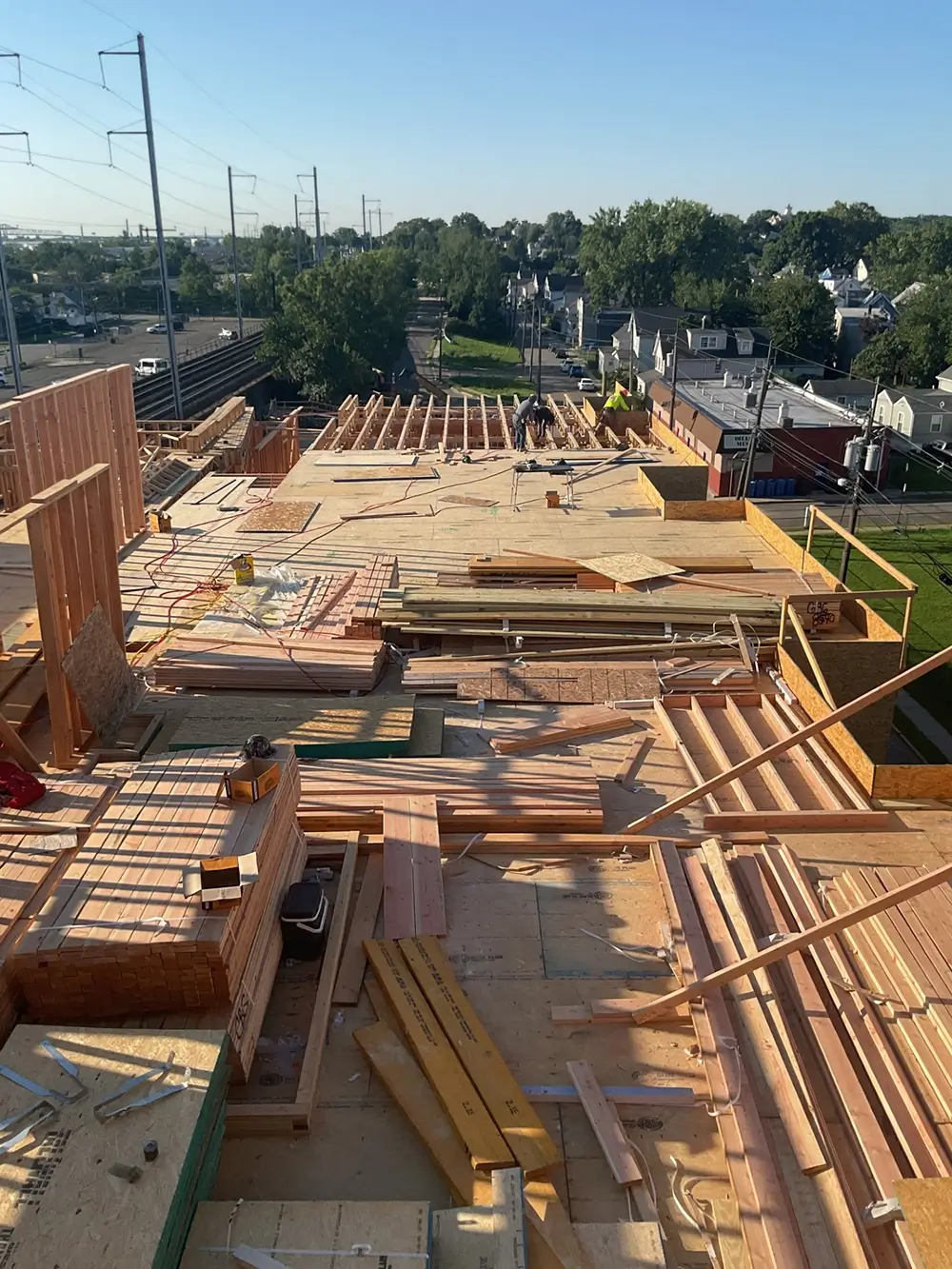
Recovering schedule should not mean simply asking everyone to work faster. There are more effective ways to gain time. Work can sometimes be resequenced so another area moves forward while an issue is resolved. Activities originally planned sequentially may be able to overlap. Decisions can be prioritized based on when the field actually needs them, and procurement can be coordinated around the construction sequence so critical materials arrive when required rather than becoming a constraint.
As construction progresses, the master schedule and short-term look-ahead schedules help identify these opportunities. The objective is controlled efficiency. Time is saved by reducing unnecessary waiting, resolving constraints before they reach the
field, and keeping work flowing from one activity to the next. That is fundamentally different from sacrificing quality simply to move faster.
The Schedule Should Keep Getting Smarter
A construction schedule should not be treated as a document that is created at the beginning of the project and checked periodically until the work is complete. It should become more informed as the project progresses. The master schedule establishes the overall path to completion, while short-term look-ahead schedules bring greater detail to the next several weeks and identify the decisions, materials, inspections, approvals, and predecessor activities necessary to keep upcoming work moving.
Actual progress then provides new information. An activity may finish earlier than expected, another may take longer, a procurement concern may disappear, or a new constraint may emerge somewhere else. As those conditions change, the construction team should continually evaluate what they mean for the work ahead. This is how the schedule becomes a management tool rather than simply a forecast of dates.
Everyone Has an Interest in an Efficient Project
Owners understandably want their projects completed as soon as reasonably possible, and a good construction manager is aligned with that goal. An unnecessarily long project consumes more management time, extends site operations, and keeps project resources committed longer than necessary. There is no advantage in allowing a job to take twelve months if the same work can be properly completed in ten.
At the same time, finishing earlier only creates value if the work is properly coordinated and executed. Speed for its own sake can introduce rework, quality issues, procurement problems, and unnecessary cost. Those consequences can quickly erase whatever schedule was gained. The goal is therefore not simply to make the project faster. It is to identify where time can be responsibly saved and where the schedule needs to be protected.
Fast, Clean, and Accurate
Good construction management is not about stretching a project out, nor is it about rushing through the work. It is about keeping the project moving with purpose. Decisions should arrive when they are needed, work should be coordinated before it reaches the field, materials should be procured in accordance with the construction sequence, and constraints should be identified early enough that the team has options for resolving them.
When an opportunity exists to recover time without creating unnecessary risk, it should be considered. When moving faster would compromise the work or create a larger problem later, that should be recognized as well. A successful schedule balances urgency with control.
The owner wants the building completed, and the construction manager wants to deliver it. When those interests are aligned around thoughtful planning, active schedule management, and efficient execution, speed and quality do not have to compete with each other. The objective is simple: finish as soon as the project responsibly allows, and finish it right.