The Difference Between a Fee and a Cost
The design fee is one of the smallest numbers in a construction project, yet it influences almost every dollar spent afterward. The drawings and specifications produced by architects and engineers are the instructions the rest of the project is built from, which means they quietly govern how efficiently the construction budget gets spent. A low fee can feel like a saving at the start, but that saving usually reflects fewer hours spent thinking through how the building actually goes together. When the documents are thorough, a project tends to move in a predictable way. When they are thin, the money saved up front is generally repaid several times over once construction begins. The gap between a higher design fee and a lower one is usually modest next to what a single unresolved coordination issue can generate in change orders, rework, and lost time once construction is underway, so avoiding even a few of those issues can outweigh the entire difference in fee. The more useful way for an owner to view design is not as a line item to minimize, but as the foundation that determines whether the larger numbers stay under control.
What a Complete Set of Documents Actually Includes
A complete set of construction documents does more than show what a building should look like. It anticipates how the structure is assembled, coordinates the architectural, structural, and mechanical, electrical, and plumbing work so the systems do not conflict, and resolves the practical questions before crews ever reach them in the field. A lower fee may reflect fewer hours allocated to detailing, coordination, and internal review. The drawings may appear finished, but unresolved gaps remain inside them. This is one reason a strong preconstruction process treats the development of construction documents and early coordination between disciplines as essential rather than optional, because the value of a Bid Set Plan is found in how completely it answers questions, not in how polished it looks.
Where Missing Details Resurface
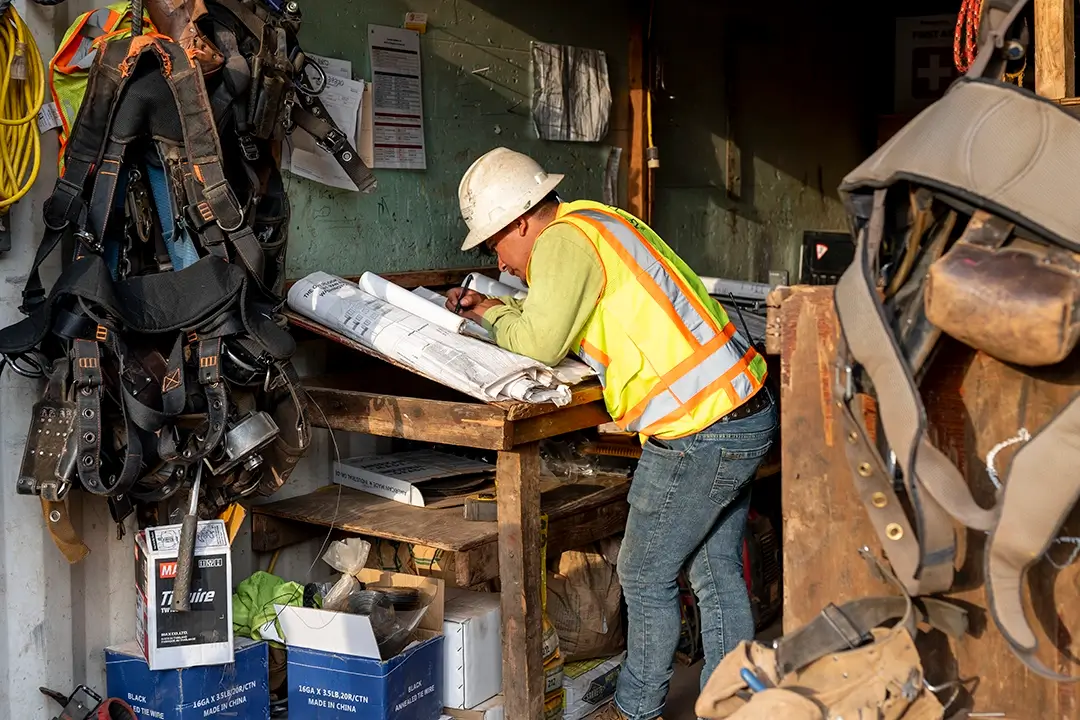
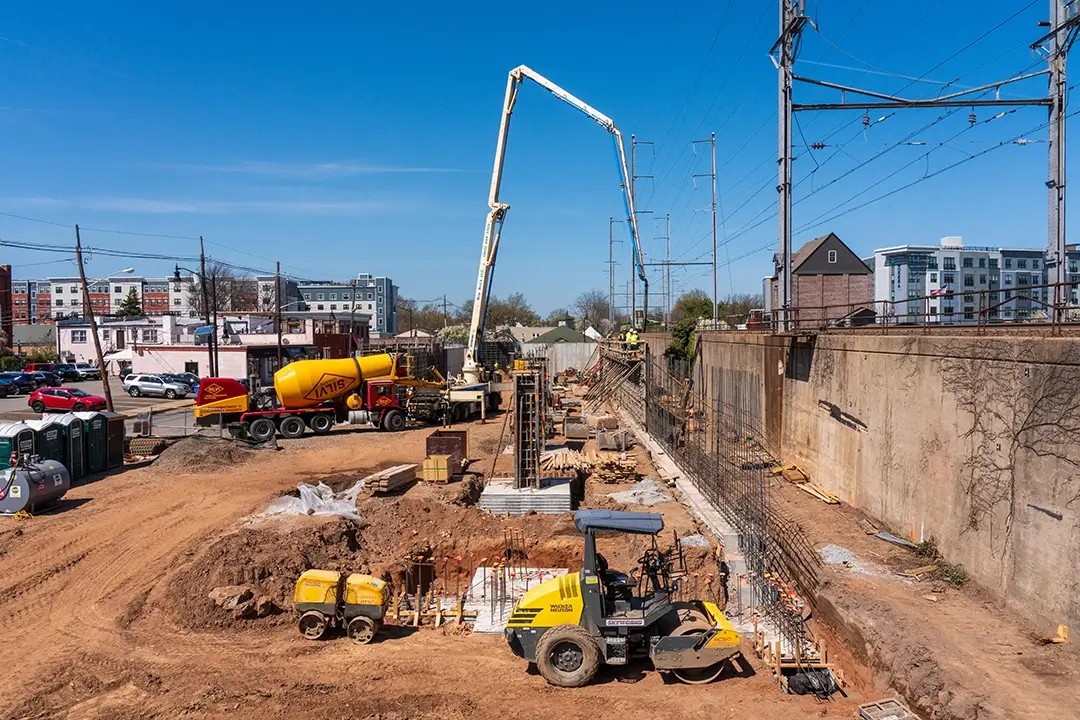
Gaps in a design do not disappear. They resurface during construction, at the moment a crew reaches a point the drawings did not fully resolve. It might be a connection that was drawn in general terms, a dimension that disagrees between two sheets, or a system that was never coordinated with the structure surrounding it. The problem still has to be solved, only now it is being solved under schedule pressure, with labor scheduled, materials ordered, and other trades waiting to follow. Solving a design question in the field is far more expensive than solving the same question on paper, because by then the cost of stopping, waiting, and reworking is added to the cost of the answer itself. Contractors would generally rather build than interpret design intent, and every hour spent resolving drawing conflicts, chasing clarifications, or redoing completed work is an hour the project is not moving forward.
How Gaps Become RFIs, Delays, and Change Orders
When a contractor encounters something unclear in the documents, the formal step is to submit a request for information (RFI) to the design team. If the answer is a simple clarification that does not affect cost or schedule, work continues without disruption. When the answer requires an actual change to the work, it moves into a change order, which adjusts the contract price and frequently the schedule as well. According to industry research, incomplete designs, poor coordination between disciplines, and specification problems are among the leading causes of change orders, and most of those issues trace back to decisions that could have been settled during design. A steady stream of avoidable requests and changes also consumes time and attention from everyone on the project. This is precisely why disciplined construction management focuses so heavily on managing requests for information, reviewing and tracking change orders, and keeping a clear financial record, so that the changes which do occur are understood and controlled rather than discovered late.
How Experienced Teams Reduce Total Project Cost
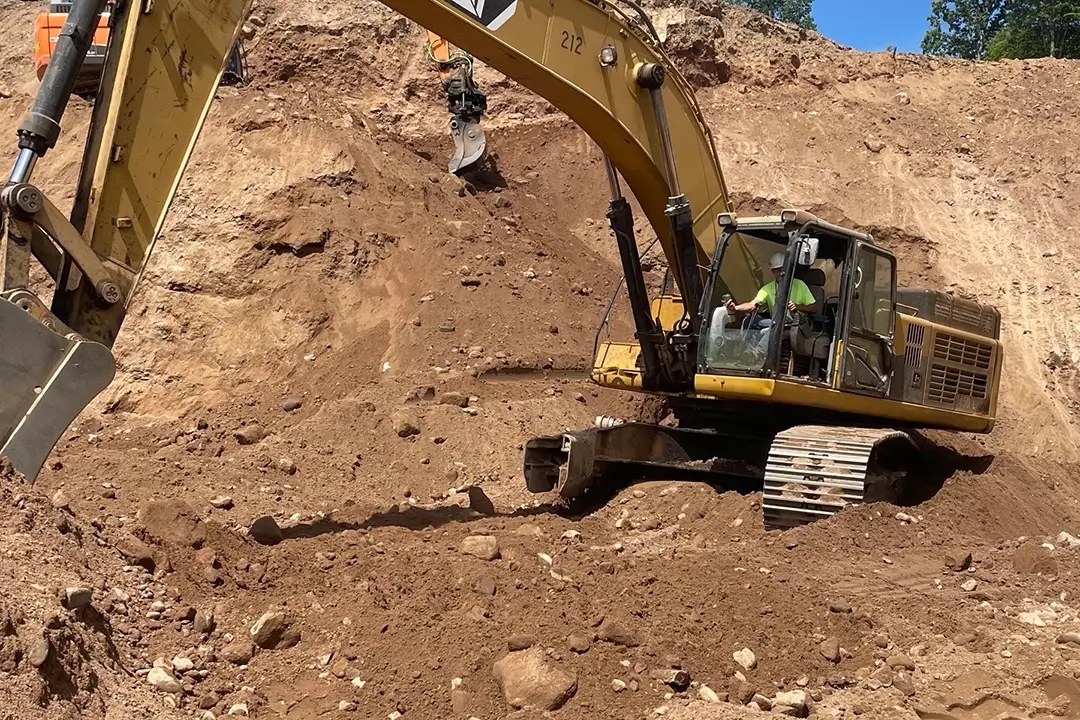
Experienced architects, engineers, and the teams that coordinate them lower the total cost of a project by resolving conflicts on paper, building realistic budgets early, and aligning the documents before a project goes out to bid. When the design is clear and coordinated, contractors can price a defined scope rather than padding their numbers to cover uncertainty, and the project carries fewer surprises into construction. When drawings still contain unanswered questions, bidders protect themselves by carrying contingency for the unknowns, which means an owner ends up paying for risk rather than for actual work. Well coordinated documents let bidders price the real scope instead. Strong early coordination, careful budget development, a disciplined bidding process, and consistent financial tracking during construction all work toward the same outcome, which is a project that finishes closer to what was planned. The cheapest design team may produce the lowest proposal, but the most coordinated design team often produces the least expensive project.